
A Buy/Sell Prediction: A Velocity-Focused Store Is Worth More

by dpollak on 01/24/2013 · 3 comments

There’s been a fair amount of industry press articles highlighting renewed interest among public and private dealer groups to acquire stores in the coming year.
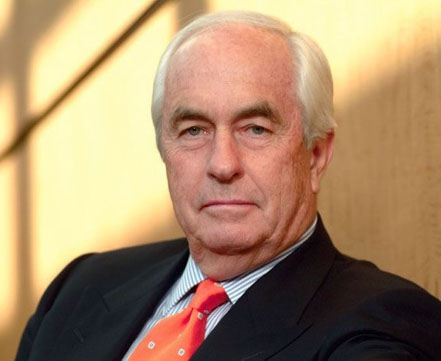
roger penske seated 300x245 A Buy/Sell Prediction: A Velocity Focused Store Is Worth More

Roger Penske

In this week’s Automotive News, the venerable CEO Roger Penske of Penske Automotive Group discusses his company’s interest in acquiring dealerships here and abroad. A week earlier, the publication highlighted Sonic Automotive’s plans to step up its acquisition efforts.

Such signs point to an active year in the dealership buy/sell arena. This trend will inevitably lead buyers and sellers to ask themselves and each other, “how much is this dealership’s used vehicle performance really worth?”

Historically, the answer has been, “not too much.”

The reason for this effective devaluation of a dealership’s used vehicle performance owes to the tendency among buyers and sellers to focus on the value of the dealership’s franchise, its past performance in new vehicle sales, its facilities/related obligations and location as the key determinants of a store’s fair market value.

Why, one might ask, wouldn’t a string of plus-positive growth in used vehicles matter more?

The answer here also owes to tradition. In most dealerships, the used vehicle manager (aka, the “Guy with the Golden Gut”) has traditionally been the architect of a used vehicle department’s past success. For buyers, this reality posed a problem: What if the guy leaves? And, even if he stays, do we think we can replicate the past performance? The end result is that buyers often give very little credit for a dealership’s past success in used vehicles as they complete their future-focused valuations.

To all this, I’ll offer a prediction: Over time, the devaluation of used vehicle performance in buy/sell deals will diminish. Buyers will give greater credit to selling dealers whose past success in used vehicles is driven by well-executed, market-focused and velocity-driven processes rather than the stewardship of a single person.

The early signs of this shift are already occurring.

I’ve had several conversations with region-minded velocity dealers who favor stores where “turn and earn” discipline and a “total gross” mentality are already built into a dealership’s DNA. These dealers recognize that a consistently strong, process-driven performance in used vehicles contributes to a stronger new vehicle department—and both are necessary to fully realize the return on investment (ROI) they expect from a store they purchase.

In fact, it’s this more “holistic” view of a dealership’s profitability and ROI potential that drives my prediction. As this mentality becomes more of the norm among dealers, it’ll be more difficult to dismiss the relevance of past used vehicle performance in dealership valuations than it has been in the past.


  • Jeff Chapman

    Velocity will always be impacted by the lack of speed from outside influences such as vendors. Dealers have never had a tool to hold these people accountable to response time and quality of work. As GSM of a Hendrick store in Chapel Hill NC. I experienced such a tool and it impressed me so much that I joined the company – LaborGate. This web tool dropped our time to front line in half and by expenses for cosmetic recon by 60%. Net profits rose as did our velocity. Dealers across the US are changing the control their managers have to track car used car recon and control everyone in the process. I’d like to see LaborGate integrate with vAuto. We are running side by side at stores that have vAuto and our clients say they would love an integration.

  • http://www.facebook.com/jtareen Bahrooz Khan Tareen

    I get it. Basically the gist of the article is that current or historical performance of the used car dealerships does not guarantee continued or future growth. The author seem to indicate that one way to counter is to setup process based management strategies that mitigate risks by minimizing personnel based influences or effects towards profitability. I am all for standards and to a degree large dealer groups like Sonic can get away with implementing cookie cutter standards throughout their organization for each department, primarily because they are able to hedge their losses and redistribute their profits for re-investments into under performing assets when the need arises. All that being said, just like “politics is all local” so are markets and opportunities in the used car industry. Unless you are selling toys and books on Amazon you don’t have to worry about locality based econometrics and demographics, there is a reason why that ‘one’ guy was so successful in turning profit, because he understood the “DNA” of customers and the dealership. In other words in my humble opinion Sonic or large dealer groups alike should continue to invest and implement smart tools and business intelligence systems that give them the actionable intelligence towards maximizing profit/revenue for each store in it’s own environment and locality. Revenue Management is what is required and it prescribes for varied strategies based on varied market dynamics. Too much hedging may only bring low distributed profits and increased expenses over a long period of time and in the final analysis may not be fruitful at all. I don’t mean to say that is what the author is advocating, I am simply putting my two cents in. The articles does a great job of giving us an insight into how and through what metrics today’s retail automotive dealer principals are making critical strategic decisions.

  • http://www.dalepollak.com Dale Pollak

    Interesting…thanks for your perspective.

Previous post:

Next post: